What is Laparoscopic Gallbladder Surgery?
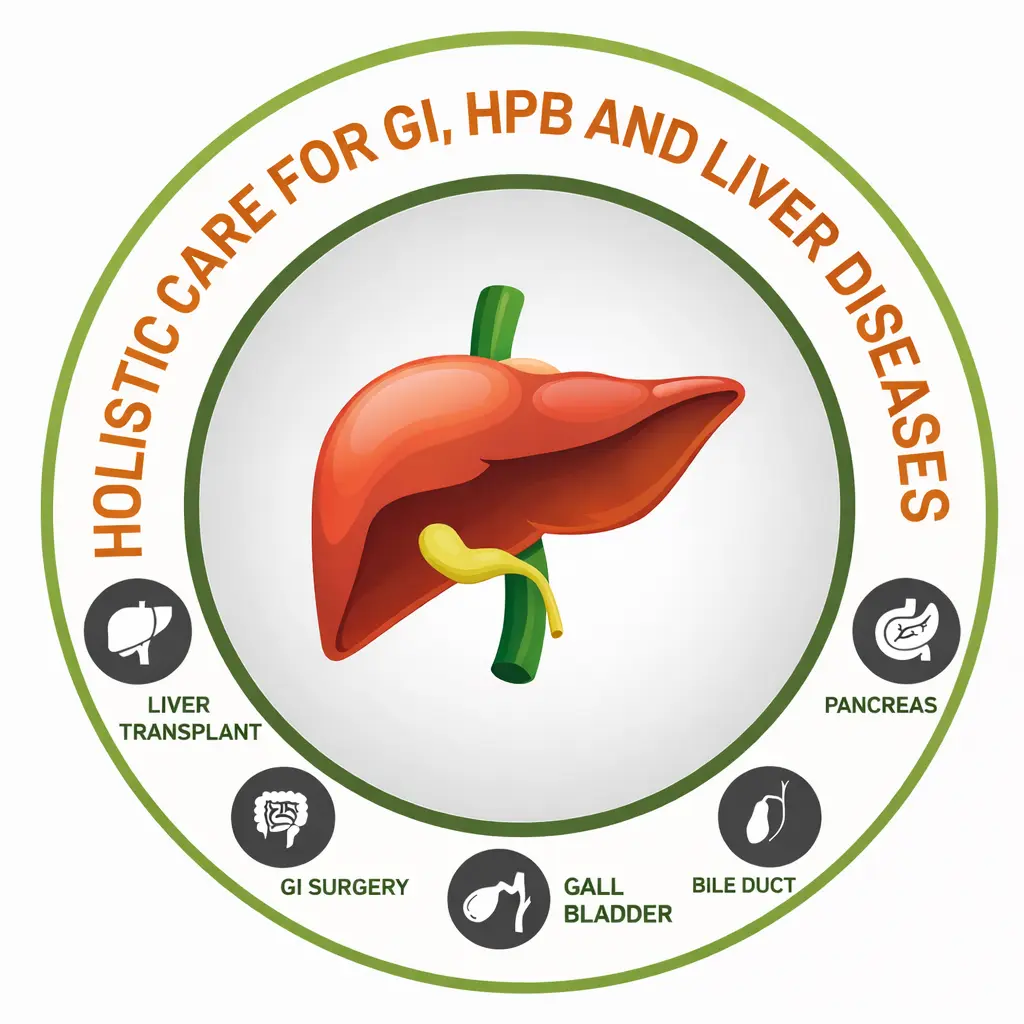
To understand what laparoscopic gallbladder surgery is, it helps to first understand what your gallbladder does. The gallbladder is a small, pear-shaped organ located just under your liver. Its primary job is to store and concentrate bile—a fluid produced by the liver that helps break down fats and oils after you eat. When the gallbladder becomes diseased or filled with stones, it can cause significant pain and inflammation.
Laparoscopic surgery, often called "keyhole" surgery, is a modern medical technique where your surgeon performs the operation through several small incisions rather than one large opening. During this procedure, a laparoscope (a thin tube with a camera and light) is inserted into your abdomen. This allows the surgical team to see the internal organs on a high-definition monitor while they perform the removal of the gallbladder.
Because the incisions are small, there is significantly less damage to the surrounding muscles and tissues compared to traditional "open" surgery. This approach often leads to less post-operative pain, a lower risk of infection, and a much faster recovery time for the patient. In many cases, patients who undergo this procedure can return to their normal routines much sooner than they would with an open procedure.
The surgical team uses specialized instruments that are inserted through these small ports. These tools allow for precise movements and accurate stitching if necessary. For patients dealing with gallstones or gallbladder inflammation, this method is highly effective because it targets the problem directly while sparing the rest of the abdominal cavity. Because it is less invasive, many patients find they can go home from the hospital much sooner after the procedure.
Common Causes and Indications for Surgery
Not everyone who has a gallbladder needs surgery immediately. However, there are specific medical conditions where removing the organ becomes necessary to protect your health. The most common reason is the presence of gallstones (calculi). These are hardened deposits of digestive fluid that can form in any part of the bile system.
When these stones stay in the gallbladder, they can cause several issues:
- Gallbladder Inflammation (Cholecystitis): This occurs when a stone blocks the duct leading out of the gallbladder, causing it to become infected or inflamed.
- Biliary Colic: This is the intense, cramping pain you feel when a gallstone moves and temporarily blocks a passage in the biliary system.
- Gallbladder Polyps: These are small growths on the inner lining of the gallbladder. While many are harmless, some can grow over time or have a risk of becoming cancerous.
- Chronic Gallbladder Disease: Over time, repeated irritation from stones can cause scarring and chronic pain, making daily activities difficult.
- Risk of Pancreatitis: If a gallstone moves out of the gallbladder and into the common bile duct, it can block the path to the pancreas, leading to a serious condition called pancreatitis.
Doctors typically recommend surgery when these conditions begin to affect your quality of life or pose a risk of infection. By removing the gallbladder, you eliminate the source of the stones and the potential for future complications like infections or blockages in the bile ducts.
Symptoms That May Require Medical Attention
You might notice certain warning signs that indicate your gallbladder is struggling. These symptoms often occur after a heavy or fatty meal, but they can also happen unexpectedly. Recognizing these signs early allows you to seek professional help before complications arise.
Common symptoms associated with gallbladder issues include:
- Severe Pain: This is often felt in the upper right side of your abdomen, just below the ribs, or in the center of your stomach.
- Radiating Pain: The discomfort may travel to your right shoulder or between your shoulder blades.
- Nausea and Vomiting: Feeling sick to your stomach is a common response to gallbladder inflammation.
- Indigestion: You may experience bloating, gas, or a feeling of fullness after eating.
- Fever and Chills: If you develop a fever along with abdominal pain, it could indicate an infection (cholecystitis).
- Jaundice: In some cases, if the bile duct is blocked, you might notice yellowing of the skin or the whites of the eyes.
If you experience sudden, intense pain that lasts for several hours, it is important to seek medical evaluation immediately. Chronic, dull discomfort that occurs frequently may also indicate a need for a consultation with a specialist to determine if surgery is the best long-term solution.
Treatment Approach at Dhaara Speciality Hospital
When you choose to undergo treatment at Dhaara Speciality Hospital, Yelahanka, Bangalore, your care is guided by advanced medical protocols. The facility is equipped to handle complex cases involving the gallbladder and other organs in the upper abdomen. Under the guidance of experts like Dr. Bojanapu, the team focuses on ensuring that every step of the laparoscopic procedure is performed with precision.
The surgical process typically begins with general anesthesia, which ensures you remain asleep and comfortable throughout the operation. Once you are asleep, the surgeons make small incisions (usually 0.5 to 1 cm) in your abdomen. They then insert a carbon dioxide gas into the abdominal cavity; this inflates the area, giving the surgeons a clear view and more room to work safely.
During the surgery, the laparoscope provides a high-definition view of the gallbladder and its surrounding structures. The surgeon carefully separates the gallbladder from the liver and other nearby tissues before removing it entirely. Because the procedure is laparoscopic, the internal organs are moved much less than in traditional surgery, which helps preserve their natural function.
At Dhaara Speciality Hospital, the focus is on using modern techniques to minimize trauma to your body. This means that while the surgical team works to remove the gallbladder, you benefit from smaller scars and a more controlled environment. The use of advanced imaging and specialized tools ensures that the removal is thorough, reducing the risk of leaving stones behind or causing damage to the bile ducts.
What to Expect During Recovery
One of the primary benefits of choosing a laparoscopic approach is the significantly faster recovery period. Because your body does not have to heal from large incisions, you will likely feel less discomfort in the days following your surgery. Most patients find that they can move around much sooner than expected.
In the first 24 hours after your procedure, you may experience some soreness at the incision sites and a bit of "gas pain" near your shoulders. This is caused by the carbon dioxide used during the surgery; it is normal and usually fades quickly as your body absorbs the gas. You will be encouraged to take deep breaths and move gently to help with this.
Regarding your diet, doctors usually recommend a gradual transition. Initially, you may start with clear liquids or light, soft foods. As you feel better, you can slowly reintroduce more substantial meals. While the gallbladder stores bile, your liver still produces it; therefore, most people do not need to follow strict dietary restrictions forever, though some may find that very fatty foods cause minor discomfort initially.
Most patients are able to go home on the same day or the next morning. You will be advised to avoid heavy lifting or strenuous exercise for a few weeks to allow the internal tissues to heal completely. However, many people find they can return to light daily activities and office work within a week. Following your surgeon’s specific post-operative instructions regarding movement and nutrition is key to a smooth recovery.
When to See a Doctor Immediately
While most complications after laparoscopic gallbladder surgery are rare, it is important to know what signs require immediate medical attention. You should contact your healthcare provider or visit the emergency department if you experience any of the following symptoms shortly after your procedure:
- High Fever: A sudden spike in temperature may indicate an infection.
- Severe Abdominal Pain: If pain becomes intense rather than a dull ache, it requires a check-up.
- Persistent Vomiting: If you cannot keep fluids down or are vomiting excessively.
- Yellowing of Skin/Eyes: This could indicate an issue with your bile ducts.
- Redness or Drainage: If the small incision sites become very red, swollen, or start leaking fluid.
- Shortness of Breath: Difficulty breathing is always a reason to seek immediate care.
By staying in close contact with your surgical team at Dhaara Speciality Hospital, you can ensure that any minor concerns are addressed quickly. Regular follow-up appointments are standard practice to ensure that the site of your surgery is healing well and that your digestive system is adapting correctly to life without a gallbladder.
If you have been diagnosed with gallstones or are experiencing persistent upper abdominal pain, consulting with a specialist is the first step toward relief. Laparoscopic gallbladder surgery offers a modern, minimally invasive way to address these issues effectively. If you would like to discuss your symptoms and explore how this procedure can help you live a healthier, pain-free life, contact Dr. Bojanapu at Dhaara Speciality Hospital in Bangalore for a comprehensive consultation.
Sources:
- Mayo Clinic - Gallbladder Surgery Information
- National Institute of General Medical Sciences (NIH) - Overview of Laparoscopic Procedures
- PubMed - Clinical Studies on Laparoscopic Cholecystectomy Outcomes