What Is HPB Robotic Laparoscopic Surgery?
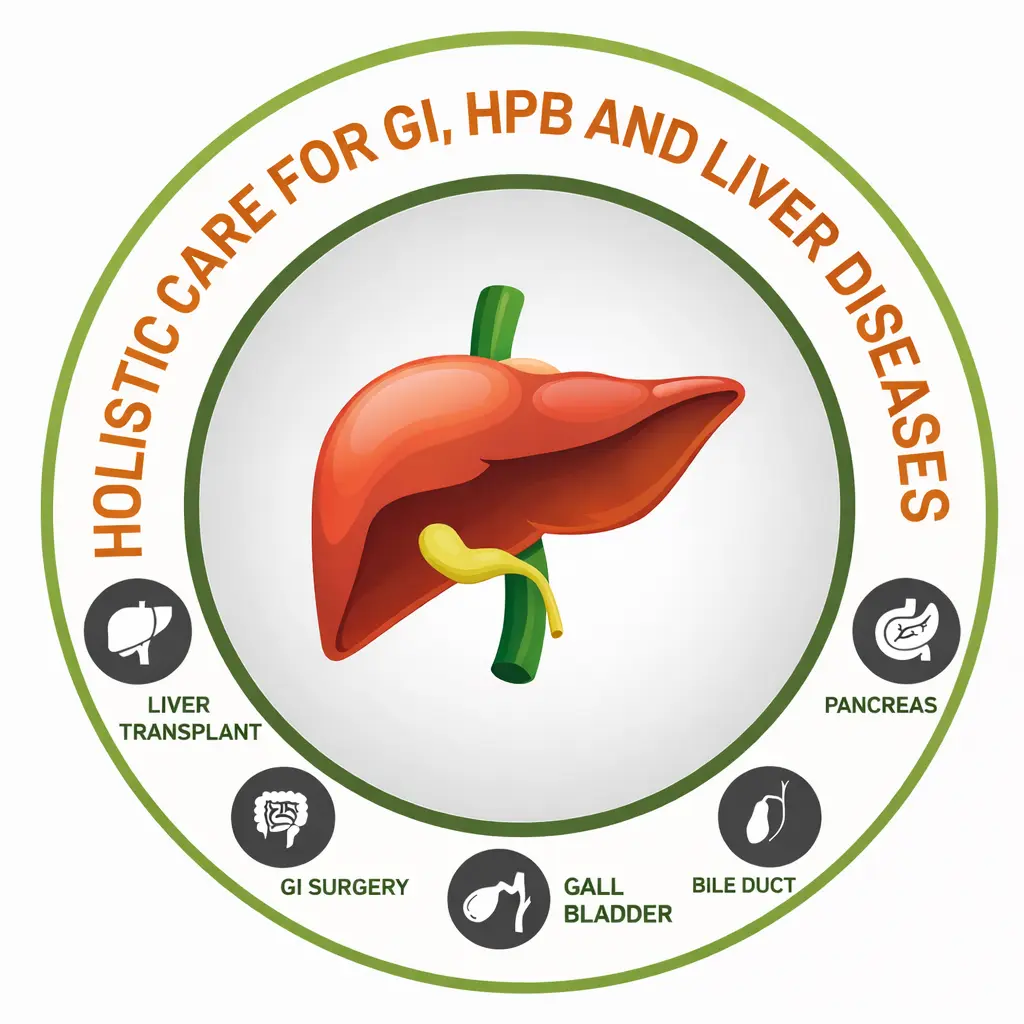
HPB robotic laparoscopic surgery is a specialized form of minimally invasive surgery used to treat conditions affecting the liver, gallbladder, bile ducts, pancreas, and other parts of the digestive system. Unlike traditional open surgery, which requires large incisions, robotic laparoscopic techniques use small incisions and advanced robotic systems to perform procedures with greater precision and control. This approach is particularly beneficial for complex cases, such as removing tumors, repairing bile duct obstructions, or addressing chronic liver disease.
The robotic system, operated by a surgeon, allows for enhanced visualization of the surgical area and more precise movements. This is especially important in HPB surgery, where delicate structures like the bile ducts and pancreatic ducts require careful handling. At Dhaara Speciality Hospital, this technology is used to minimize trauma to surrounding tissues, reduce blood loss, and speed up recovery times.
Robotic surgery is not limited to specific procedures. It can be applied to a range of HPB conditions, including:
- Liver resections for cancer or non-cancerous growths
- Gallbladder removal (cholecystectomy) for severe gallstones
- Repair of bile duct strictures or injuries
- Whipple procedure for pancreatic cancer
- Management of complex hernias or abscesses in the abdominal cavity
These procedures are tailored to your specific diagnosis and overall health, ensuring the best possible outcomes.
Common Causes and Indications for HPB Robotic Surgery
HPB robotic laparoscopic surgery is often recommended for patients with conditions that require precise, minimally invasive intervention. Some of the most common reasons for undergoing this type of surgery include:
Chronic liver disease: Conditions like cirrhosis or liver cancer may require surgical removal of affected tissue. Robotic surgery allows for meticulous dissection and preservation of healthy liver tissue.
Gallbladder disease: Severe gallstones, gallbladder inflammation (cholecystitis), or gallbladder polyps can lead to complications like infection or blockage of the bile ducts. Robotic cholecystectomy is a safe and effective treatment option.
Bile duct obstructions: Blockages caused by stones, tumors, or scarring can be corrected through robotic-assisted procedures, such as bile duct exploration or stent placement.
Pancreatic disorders: Conditions like pancreatic cysts, tumors, or chronic pancreatitis may require robotic surgery to remove affected tissue or repair damaged ducts.
Complex abdominal hernias: Robotic techniques are increasingly used to repair hernias that are difficult to treat with traditional methods, especially in patients with previous abdominal surgeries.
If you have been diagnosed with any of these conditions, your surgeon will evaluate whether robotic laparoscopic surgery is the best option for you. At Dhaara Speciality Hospital, Dr. Srinivas Bojanapu and his team use their expertise to determine the most suitable approach based on your unique case.
Symptoms That May Require HPB Robotic Surgery
Recognizing the signs that may indicate the need for HPB robotic surgery is an important step in seeking timely care. Common symptoms associated with conditions treated by this approach include:
- Severe pain in the upper right abdomen (often related to gallbladder or liver issues)
- Jaundice (yellowing of the skin and eyes) due to bile duct blockage
- Unexplained weight loss or fatigue, especially in cases of liver or pancreatic cancer
- Nausea, vomiting, or difficulty digesting food
- Abdominal swelling or a noticeable mass in the upper abdomen
- Fever or signs of infection (e.g., cholecystitis or abscesses)
If you experience any of these symptoms, it’s important to consult a specialist. At Dhaara Speciality Hospital, Yelahanka, Bangalore, Dr. Srinivas Bojanapu and his team use advanced diagnostic tools to identify the underlying cause of your symptoms and recommend the most appropriate treatment plan.
How Dhaara Speciality Hospital Approaches HPB Robotic Surgery
At Dhaara Speciality Hospital, HPB robotic laparoscopic surgery is performed using state-of-the-art robotic systems, such as the da Vinci Surgical System. These systems provide surgeons with enhanced dexterity, 3D visualization, and precise control, which are crucial for complex HPB procedures. The hospital’s multidisciplinary team, including hepatobiliary surgeons, gastroenterologists, and anesthesiologists, works together to ensure a comprehensive and personalized approach to your care.
Before surgery, you’ll undergo a thorough evaluation, which may include imaging studies like ultrasound, CT scans, or MRI to map the affected area. Your surgeon will also review your medical history, perform blood tests, and discuss the risks and benefits of the procedure. During the surgery, small incisions are made, and the robotic arms are guided through the abdominal cavity to perform the required operation. The entire process is typically completed in a single session, with minimal blood loss and reduced trauma to surrounding tissues.
One of the key advantages of robotic surgery at Dhaara Speciality Hospital is the focus on patient comfort and recovery. The hospital’s facilities are equipped with advanced post-operative care units, and the medical team provides close monitoring to ensure a smooth recovery. Patients are encouraged to participate in their care through education and open communication with their surgical team.
Recovery and Outcomes After HPB Robotic Surgery
Recovery from HPB robotic laparoscopic surgery is generally faster and less painful compared to traditional open surgery. Most patients experience a shorter hospital stay, often leaving within 1-3 days, and can return to normal activities within a few weeks. However, the exact timeline depends on the specific procedure performed and your overall health.
After surgery, you’ll receive detailed instructions on managing pain, caring for the incision site, and gradually resuming physical activity. It’s important to follow these guidelines to prevent complications and promote healing. Your surgeon may also recommend dietary changes or lifestyle adjustments to support long-term recovery and reduce the risk of recurrence.
While outcomes vary based on individual circumstances, robotic surgery is associated with several benefits, including:
- Reduced post-operative pain and the need for pain medication
- Lower risk of infection and other complications
- Improved cosmetic results due to smaller incisions
- Faster return to work and daily activities
- Better preservation of organ function, especially in complex cases
At Dhaara Speciality Hospital, the focus is on ensuring a smooth recovery and long-term well-being. Patients are followed up closely with regular check-ups to monitor their progress and address any concerns.
When to See a Doctor for HPB Conditions
If you’re experiencing symptoms that could indicate an HPB condition, it’s important to seek medical attention promptly. Early diagnosis and treatment can significantly improve outcomes and reduce the risk of complications. You should contact a specialist if you:
- Have persistent pain in the upper right abdomen or back
- Notice yellowing of the skin or eyes (jaundice)
- Experience unexplained weight loss or fatigue
- Have a family history of liver or pancreatic disease
- Are diagnosed with a gallbladder or liver condition that may require surgery
At Kauvery Hospital Electronic City, patients have access to a range of diagnostic and treatment options, including HPB robotic laparoscopic surgery. However, if you’re in Bangalore or nearby areas, Dhaara Speciality Hospital in Yelahanka offers similar expertise and advanced facilities under the care of Dr. Srinivas Bojanapu, who has extensive training in HPB and robotic surgery.
Whether you’re considering treatment at Kauvery Hospital Electronic City or Dhaara Speciality Hospital, it’s essential to consult with a qualified specialist who can guide you through the process and help you make informed decisions about your care.
If you’re experiencing symptoms that concern you or have been diagnosed with an HPB condition, don’t hesitate to reach out. A consultation with a specialist can provide clarity and help you explore the best treatment options available. At Dhaara Speciality Hospital, Dr. Bojanapu and his team are committed to providing compassionate, high-quality care tailored to your needs.