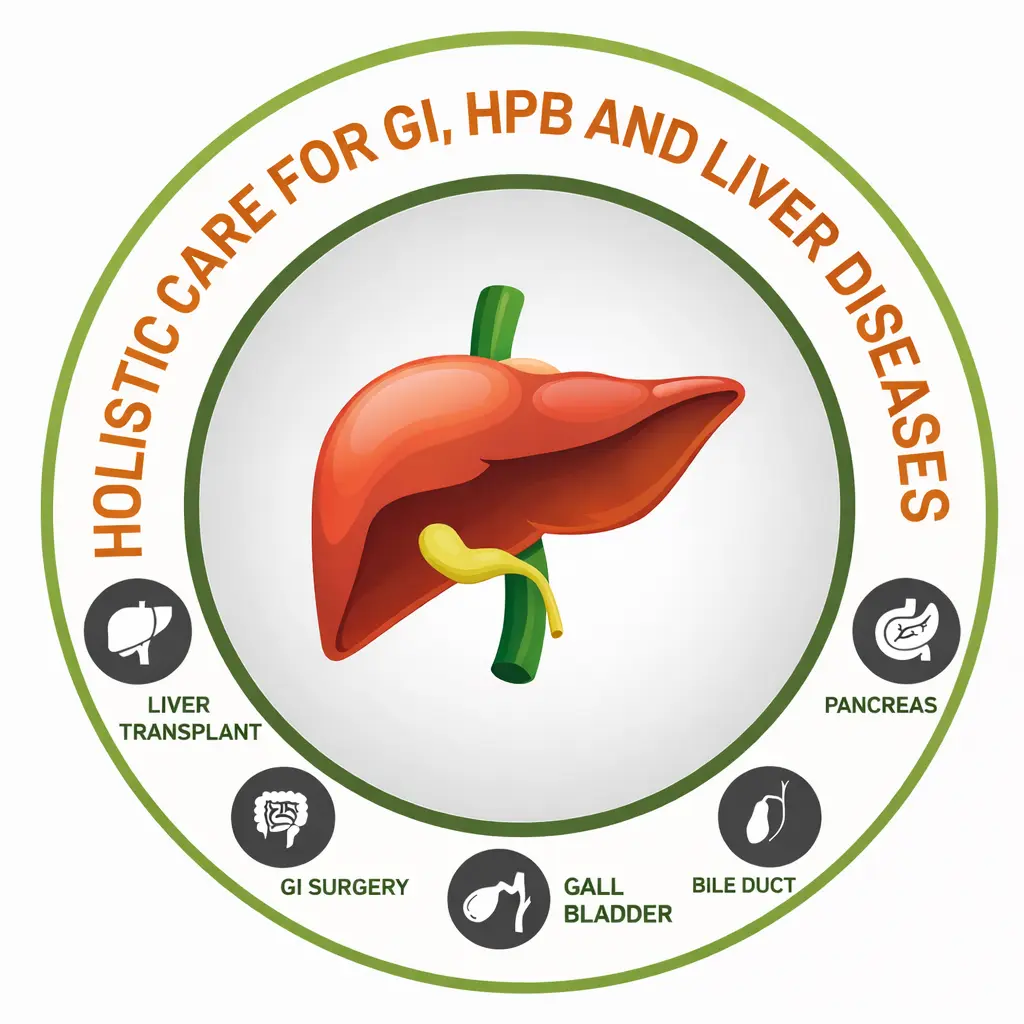
What Is an HPB Surgeon?
The term "HPB" stands for Hepatobiliary and Pancreatic surgery. An hpb surgeon is a medical doctor who specializes in treating diseases of these specific organs. Because the liver, gallbladder, bile ducts (the biliary tree), and pancreas are located close together in the upper abdomen, they often require a surgeon with specialized training to navigate the complex anatomy of that region.
When you see an hpb surgeon, you are meeting a specialist who focuses on several different conditions. For example, they treat issues related to the liver (hepatology), the gallbladder and bile ducts (biliary surgery), and the pancreas (pancreatic surgery). Because these organs work together as part of the digestive system, a single specialist is often best equipped to handle complications that might cross over between them. For instance, a problem in the bile duct can affect both the liver and the digestive process.
Modern hpb surgery has evolved significantly over the last few decades. While traditional "open" surgeries were once the standard, many procedures are now performed using minimally invasive techniques. These methods allow for more precise movements and smaller incisions. A skilled surgeon in this field stays updated on these technologies to ensure that patients receive the most advanced care available today.
Common Conditions Treated by an HPB Specialist
You may need to consult an hpb surgeon if you have been diagnosed with various conditions affecting your upper abdominal organs. These conditions can range from common, manageable issues to more complex chronic diseases. Understanding these conditions helps you prepare for your consultation and understand the scope of care provided.
Some common reasons patients seek help from an hpb specialist include:
- Gallstones: These are hard deposits that form in the gallbladder. They can cause significant pain, inflammation, or blockages in the bile ducts.
- Cholecystitis: This is an inflammation of the gallbladder, often caused by gallstones or infections.
- Liver Diseases: This includes conditions like fatty liver disease, liver cysts, and various types of liver tumors or growths.
- Pancreatitis: Inflammation of the pancreas can be acute (sudden) or chronic (long-lasting). It can interfere with your digestion and hormone production.
- Bile Duct Issues: Obstructions or stones in the bile ducts can prevent bile from reaching the small intestine, leading to complications like jaundice.
- Pancreatic Tumors: These require specialized surgical expertise to address and manage effectively.
By addressing these issues early, you can often improve your quality of life and prevent more severe complications from developing. An hpb surgeon works to diagnose the root cause of your symptoms and determine if surgery or other medical interventions are necessary.
Recognizing Symptoms That May Require Surgery
Many people do not realize they have a problem with their liver, gallbladder, or pancreas until they experience physical discomfort. Because these organs are internal, some issues may develop slowly over time. However, there are several common signs that suggest you should see an hpb surgeon for a professional evaluation.
You should pay close attention to the following symptoms:
- Persistent Abdominal Pain: This is often felt in the upper right side of your abdomen or under the ribcage. It may be sharp, dull, or occur in waves.
- Jaundice: This is a yellowing of the skin and the whites of the eyes. It is often caused by a buildup of bilirubin, which happens when the liver or bile ducts are not functioning correctly.
- Digestive Issues: Frequent nausea, vomiting, or difficulty digesting fatty foods can indicate problems with the gallbladder or pancreas.
- Unexplained Weight Loss: Losing weight without trying can sometimes be a sign of underlying issues in the digestive organs.
- Dark Urine or Pale Stools: Changes in the color of your waste products can indicate that bile is not flowing correctly through the body.
- Fever and Chills: If accompanied by severe abdominal pain, this could indicate an infection in the gallbladder or biliary tract.
If you experience any of these symptoms, it is important to reach out to a specialist. Early detection often allows for less invasive treatments and faster recovery times.
Advanced Treatment Approaches at Dhaara Speciality Hospital
When choosing where to receive care, the technology and expertise available play a major role in your experience. At Dhaara Speciality Hospital, located in Yelahanka, Bangalore, patients have access to advanced surgical techniques designed to make procedures safer and more efficient. One of the primary methods used today is robotic laparoscopic surgery.
Robotic-assisted surgery allows an hpb surgeon to perform complex operations through very small incisions. Instead of a large "open" incision, the surgeon uses a robotic system that translates their hand movements into precise movements of tiny instruments inside your body. This technology is particularly helpful in hpb surgery because it provides the surgeon with a high-definition, 3D view of the internal organs. This clarity helps in navigating the complex structures near the liver and pancreas.
Under the care of Dr. Srinivas Bojanapu at Dhaara Speciality Hospital, patients benefit from this precision. The use of robotic systems can lead to several benefits during the procedure:
- Greater precision in removing gallstones or addressing liver issues.
- Better visualization of small blood vessels and nerves.
- Smaller incisions compared to traditional methods.
- Reduced risk of significant bleeding during complex maneuvers.
By combining expert surgical skill with these advanced tools, the goal is to provide a treatment path that minimizes physical stress on your body while addressing the underlying medical issue effectively.
What to Expect During Recovery and Outcomes
One of the main reasons patients choose minimally invasive routes—such as those performed by an hpb surgeon using robotic tools—is the hope for a smoother recovery. When you undergo surgery through small incisions rather than a large opening, your body generally begins the healing process faster.
After your procedure, the focus is on managing any discomfort and getting you back to your normal routine as quickly as possible. Because the surgical site involves smaller cuts, there is typically less post-operative pain compared to traditional open surgery. This often means you can begin moving around sooner, which helps prevent complications like stiffness or blood clots.
While every patient's experience is unique based on their specific condition and overall health, common goals of modern hpb surgery include:
- Reduced Hospital Stays: Minimally invasive techniques often allow patients to go home sooner.
- Less Scarring: Smaller incisions mean less visible scarring on the abdomen.
- Faster Return to Activity: Many patients find they can resume daily tasks and work much faster than with older surgical methods.
Regardless of the method used, the primary goal is always to resolve the underlying issue—whether it is removing a problematic gallbladder or addressing a liver concern—so that you can return to your normal life with peace plans for your health.
When Should You See an HPB Surgeon?
You should not wait until a condition becomes unbearable before seeking help. Many conditions involving the liver, gallbladder, and pancreas are easier to manage when caught early. If you have been diagnosed with gallstones or if you have persistent pain in your upper abdomen that does not go away, it is time to consult an hpb surgeon.
Additionally, if you have chronic issues like recurring digestive problems, unexplained weight loss, or if you have been told by a general practitioner that you have "liver issues," seeking out a specialist is the next logical step. A specialist can provide a clear plan of action and discuss whether surgery, medication, or lifestyle changes are the best path forward.
In some cases, medical emergencies require immediate attention. If you experience sudden, agonizing abdominal pain, high fever with yellowing of the eyes (jaundice), or severe vomiting that prevents you from keeping fluids down, you should seek emergency medical care immediately. These symptoms can indicate an acute infection or a blockage that requires urgent intervention.
Taking proactive steps to manage your health today ensures that you can maintain your well-being for years to come. If you are concerned about any symptoms related to your liver or digestive system, reaching out to a specialist is the first step toward clarity and treatment.
If you are seeking expert care in Bangalore, Dr. Srinivas Bojanapu at Dhaara Speciality Hospital provides advanced robotic laparoscopic solutions for complex hepatobiliary and pancreatic conditions. Contact the hospital today to schedule a consultation and take the first step toward managing your health with precision and care.
Sources:
- Mayo Clinic - "Gallstones: Symptoms & Causes" (mayoclinic.org)
- National Institute of Diabetes and Digestive and Kidney Diseases - "Digestive System Overview" (nih.gov)
- PubMed - "Robotic Surgery in Hepatobiliary and Pancreatic Procedures" (pubmed.ncbi.nlm.nih.gov)