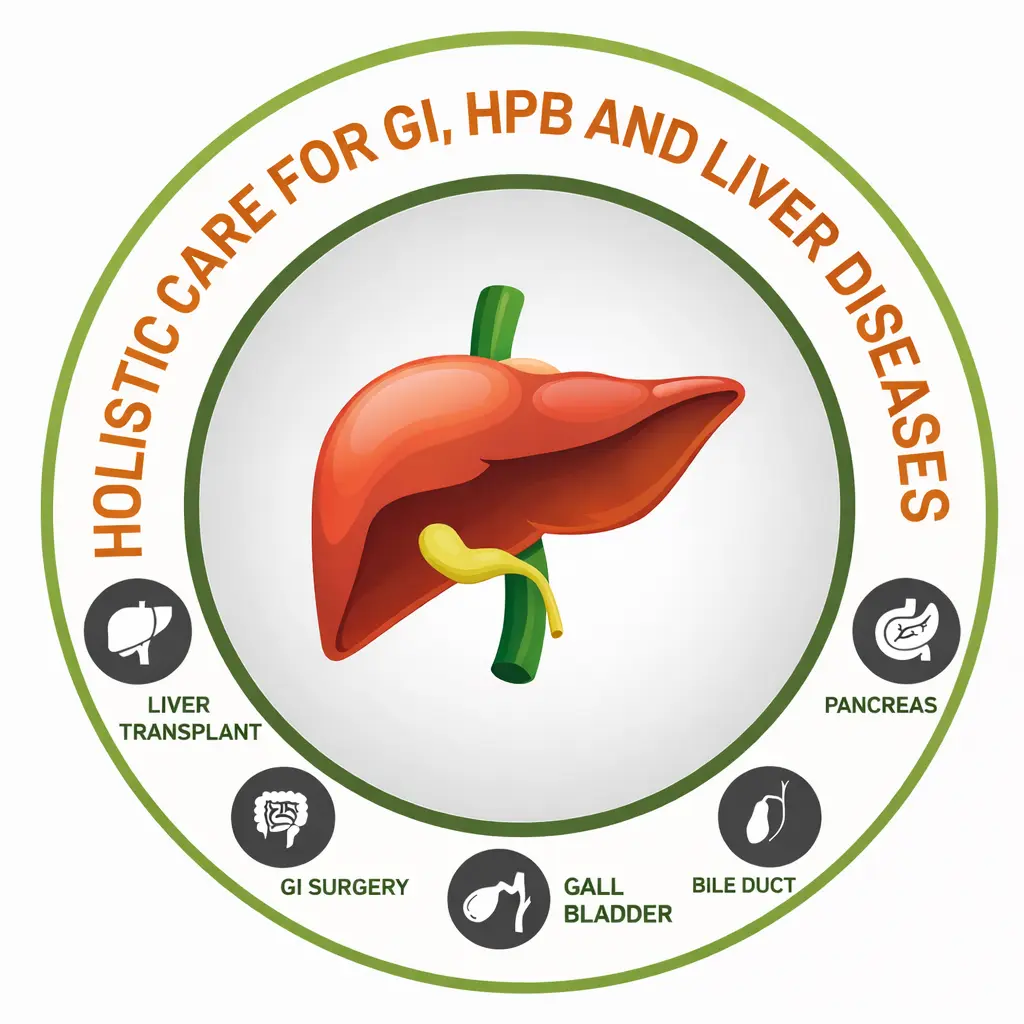
Understanding Hepatitis and Liver Health
Hepatitis is a general term used to describe inflammation of the liver. Your liver is one of the most important organs in your body; it acts as a filter, processes nutrients, and produces essential proteins for your blood. When the liver becomes inflamed or damaged, it cannot perform these critical tasks efficiently. This condition can be caused by various factors, ranging from viral infections to lifestyle choices.
There are several different types of hepatitis, each with its own cause and progression path. For example, Hepatitis A and E are usually spread through contaminated food or water. These often cause acute (short-term) infections that typically resolve on their own but can be severe in some cases. In contrast, Hepatitis B and C are more serious because they can become chronic, meaning the infection stays in your body for years or even a lifetime. Chronic infections can lead to long-term liver damage, including cirrhosis or other advanced complications.
It is important to understand that "inflammation" means the liver cells are under stress. When you receive hepatitis treatment in Bangalore, the goal of your medical team is to reduce this inflammation and manage the underlying cause of the damage. Whether your condition is acute or chronic, early diagnosis is vital. Identifying the specific type of hepatitis you have allows doctors to create a tailored plan that focuses on your unique health profile.
Modern medicine has made great strides in managing liver diseases. While some infections can be managed with lifelong medication, others may require specialized interventions if complications arise. Because the liver is so central to your overall health, any condition affecting it requires a comprehensive approach that looks at both the immediate symptoms and the long-term health of the organ.
Common Causes and Risk Factors
Knowing what causes hepatitis can help you understand why certain people are at higher risk. While viral infections are the most common cause, there are several different pathways that can lead to liver inflammation.
- Viral Infections: This is the most common category. Hepatitis A, B, C, D, and E are all caused by different viruses. Some are spread through contaminated water or food (A and E), while others are transmitted through blood contact or sexual activity (B, C, and D).
- Alcohol Consumption: Long-term and heavy alcohol use can cause significant damage to liver cells, leading to chronic hepatitis and eventually permanent scarring of the liver tissue.
- Fatty Liver Disease: An accumulation of excess fat in the liver can cause inflammation. This is often linked to metabolic issues or diet-related factors.
- Autoimmune Disorders: In some cases, your own immune system may mistakenly attack your liver cells, causing persistent inflammation.
- Toxic Exposure: Certain chemicals, medications, or environmental toxins can damage the liver over time.
Risk factors vary depending on the type of hepatitis you have. For example, if you are concerned about Hepatitis B or C, your risk may depend on previous exposure to infected blood or shared needles. If you are concerned about Hepatitis A or E, your risk might be linked to hygiene and food safety. Regardless of the cause, identifying these factors early helps healthcare providers determine the best course of action for your specific situation.
Recognizing the Symptoms of Hepatitis
Many people with early-stage hepatitis may not feel any symptoms at all. This is why regular screenings are so important, especially if you have been exposed to risk factors. However, when symptoms do appear, they can vary depending on how much damage has occurred and which type of hepatitis is present.
You might notice several signs that your liver is struggling. These symptoms can range from mild discomfort to more severe indicators of liver distress. Common symptoms include:
- Jaundice: This is the yellowing of the skin and the whites of the eyes, which occurs when there is a buildup of bilirubin in the blood.
- Extreme Fatigue: Feeling unusually tired or exhausted even after resting is a very common sign of liver stress.
- Abdominal Pain: You may feel discomfort or a dull ache in the upper right side of your abdomen, where the liver is located.
- Nausea and Vomiting: Digestive issues are common when the liver cannot properly process waste.
- Dark Urine and Pale Stools: Changes in the color of your urine (becoming dark like tea) or stools (becoming pale) can indicate a blockage or significant liver dysfunction.
- Itchy Skin: Persistent itching can occur if the liver is unable to clear certain substances from the blood.
If you experience any of these symptoms, it is important to seek a professional evaluation. Early detection allows for earlier intervention, which is often the key to managing chronic conditions effectively and preventing more severe complications later on.
Advanced Treatment Approaches at Dhaara
When seeking hepatitis treatment in Bangalore, the quality of care you receive depends heavily on the expertise of your medical team. At Dhaara Speciality Hospital, Yelahanka, Bangalore, patients are offered a comprehensive approach to liver health. The focus is always on providing personalized care that addresses the specific type and stage of your condition.
For those dealing with chronic conditions or complications resulting from long-term liver issues, advanced techniques play a vital role. Because some liver problems can lead to structural changes or require precise interventions, having access to modern surgical technology is beneficial. The hospital focuses on high-precision care, ensuring that if medical management needs to be supplemented by advanced procedures, the highest standards of safety and precision are maintained.
The treatment plan typically involves several layers of care:
- Diagnostic Testing: This includes blood tests to check liver enzymes, ultrasound scans to visualize the organ, and specialized tests to identify specific viruses.
- Medical Management: For viral hepatitis, this involves medications that can slow the progression of the disease or manage symptoms.
- Lifestyle Counseling: A critical part of treatment is educating you on how to protect your liver through diet, hydration, and avoiding substances like alcohol that cause further damage.
- Specialized Intervention: In cases where advanced complications occur, specialized surgical expertise—such as the techniques mastered by Dr. Bojanapu—can be utilized to manage complex hepatobiliary issues.
By combining expert clinical knowledge with modern technology, the team at Dhaara Speciality Hospital aims to provide a stable and manageable path for patients dealing with liver inflammation. The goal is to stabilize the liver's function so that you can return to your daily life with confidence.
The Path to Recovery and Long-term Management
Recovery from hepatitis—especially chronic forms—is often about management rather than a quick "cure." The goal is to keep the liver healthy, functioning well, and free from further damage. This requires a commitment to several key habits over time.
First, consistency with your medication is vital. If you are prescribed antivirals or other medications to manage inflammation, taking them exactly as directed ensures that the virus remains suppressed and your liver cells have a chance to heal. Regular follow-up appointments are also necessary; these allow your doctors to monitor your enzyme levels and ensure your treatment plan remains effective.
Nutrition plays a massive role in your recovery. A balanced diet low in saturated fats and high in antioxidants can reduce the workload on your liver. Staying hydrated is equally important, as it helps your body flush out toxins more efficiently. You should also avoid any substances that are known to be toxic to the liver, most notably alcohol.
Furthermore, managing other related conditions—such as high blood pressure or diabetes—is crucial because these conditions can put additional strain on your liver. By addressing all aspects of your health holistically, you create a safer environment for your liver to function properly. Over time, many patients find that with the right management plan, they can lead full and active lives despite their initial diagnosis.
When Should You Seek Medical Advice?
You should not wait until symptoms become severe before seeking professional help. If you have been exposed to a risk factor—such as a known exposure to Hepatitis B or C—it is wise to get tested immediately. Early detection allows for proactive management, which is much easier than treating advanced liver damage.
You should seek medical attention promptly if you notice any of the following:
- A sudden yellowing of your skin or eyes (jaundice).
- Severe abdominal pain that does not go away.
- Persistent vomiting or inability to keep fluids down.
- Extreme lethargy or confusion.
- Noticeable swelling in the abdomen or legs.
If you experience these symptoms, it may indicate a more acute phase of liver stress and requires prompt evaluation by a specialist. Seeking care from an experienced team early on can make a significant difference in your long-term outlook.
Managing your health is a journey that begins with the right information and the right medical partners. If you are looking for comprehensive hepatitis treatment in Bangalore, taking that first step toward professional consultation will provide you with the clarity and care needed to protect your liver and improve your overall well-being. Contact the team at Dhaara Speciality Hospital to discuss how they can support your health journey.
Sources:
- mayoclinic.org
- pubmed.ncbi.nlm.nih.gov
- nih.gov