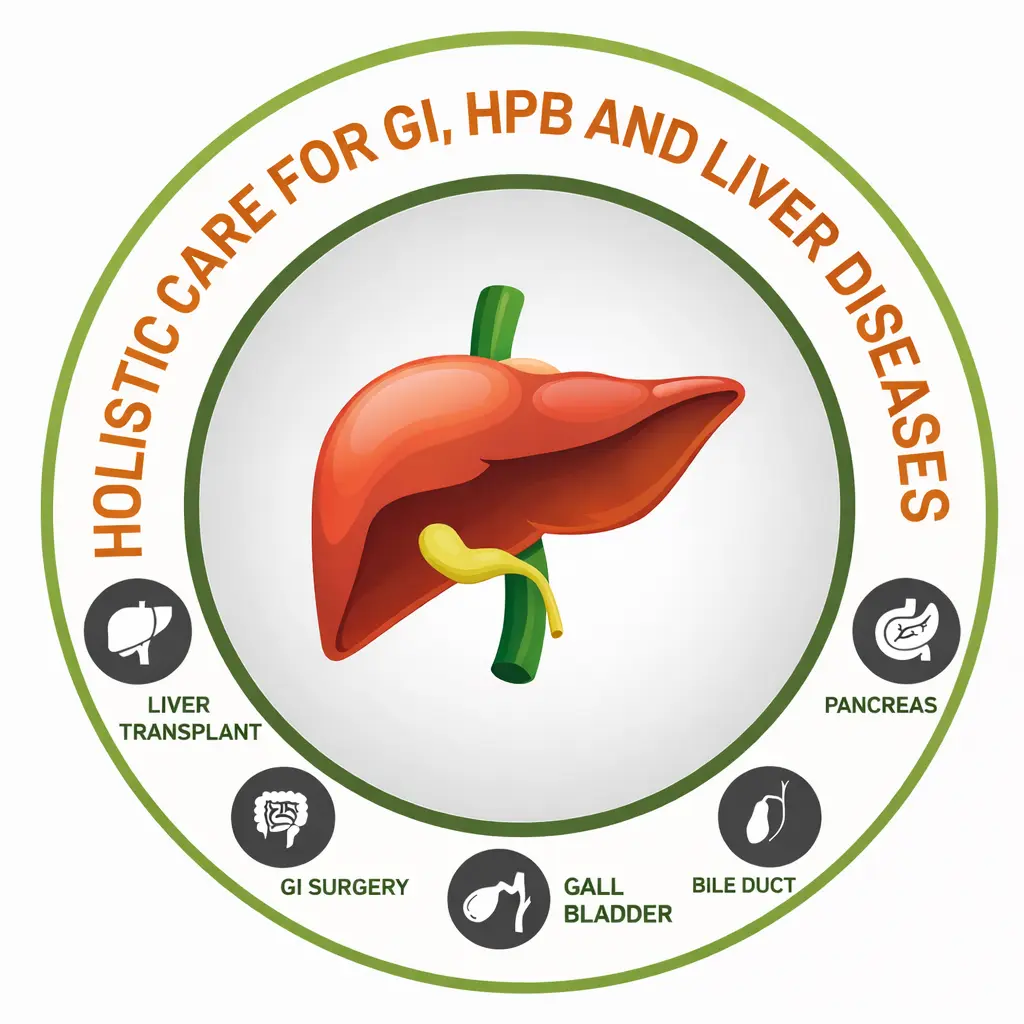
What Is HPB Robotic Laparoscopic Surgery?
HPB robotic laparoscopic surgery is a specialized, minimally invasive technique used to treat diseases of the hepatobiliary (liver, gallbladder, bile ducts) and pancreatic systems. This approach uses robotic technology to perform intricate procedures through small incisions, offering greater precision, reduced recovery times, and fewer complications compared to traditional open surgery. The robotic system allows surgeons to operate with enhanced dexterity, 3D visualization, and improved control, making it ideal for complex cases such as liver resections, bile duct repairs, and pancreatic tumor removals.
Dr. Srinivas Bojanapu at Dhaara Speciality Hospital is among the few surgeons in India who specialize in this advanced field. His expertise ensures that patients receive state-of-the-art care tailored to their specific conditions, whether they require tumor removal, bile duct reconstruction, or other specialized interventions.
Common Causes and Indications for HPB Robotic Surgery
HPB robotic surgery is typically recommended for patients with conditions that require precise, minimally invasive treatment. Common indications include:
- Liver tumors or cysts that need removal or reshaping.
- Bile duct obstructions or injuries requiring reconstruction.
- Chronic gallbladder disease, such as gallstones or inflammation.
- Pancreatic tumors or cysts that are difficult to reach with traditional methods.
- Complications from previous surgeries, such as adhesions or scar tissue.
These conditions often cause significant discomfort, impaired liver function, or risks to overall health. Early diagnosis and intervention with robotic techniques can improve outcomes and quality of life. Dr. Bojanapu’s experience in diagnosing and treating these conditions ensures patients receive personalized, evidence-based care.
Symptoms of HPB Conditions
If you’re experiencing symptoms related to the liver, bile ducts, or pancreas, it’s important to seek medical attention promptly. Common signs that may indicate a need for HPB robotic surgery include:
- Persistent abdominal pain, especially in the upper right area.
- Jaundice (yellowing of the skin and eyes) due to bile duct blockage.
- Unexplained weight loss or loss of appetite.
- Dark urine or pale stools, often linked to liver dysfunction.
- Swelling or tenderness in the abdomen, particularly after meals.
These symptoms may indicate conditions such as liver disease, gallstones, pancreatic cancer, or bile duct strictures. While some symptoms can be managed with medication or lifestyle changes, others require surgical intervention. Dr. Bojanapu and his team at Dhaara Speciality Hospital are trained to evaluate these symptoms and recommend the most appropriate treatment plan.
How Dhaara Speciality Hospital Approaches HPB Robotic Surgery
At Dhaara Speciality Hospital, HPB robotic laparoscopic surgery is performed using cutting-edge robotic systems designed for precision and safety. The process typically involves:
- Comprehensive Preoperative Evaluation: Patients undergo imaging tests (like MRI, CT scans, or ultrasound) and consultations to assess the condition’s severity and plan the procedure.
- Robotic-Assisted Surgery: The surgeon controls a robotic system with enhanced magnification and dexterity, allowing for precise tissue manipulation through small incisions.
- Multidisciplinary Care: A team of hepatobiliary surgeons, gastroenterologists, and anesthesiologists collaborates to ensure optimal outcomes.
- Postoperative Support: Patients receive detailed follow-up care, including pain management, dietary guidance, and monitoring for complications.
Dr. Srinivas Bojanapu’s approach emphasizes patient-centered care, ensuring that each individual’s needs and concerns are addressed throughout the treatment journey. His expertise in robotic surgery allows for faster recovery, reduced scarring, and a lower risk of complications compared to traditional open procedures.
Recovery and Outcomes After HPB Robotic Surgery
Recovery after HPB robotic laparoscopic surgery is generally faster than with open surgery, though it varies depending on the procedure’s complexity and the patient’s overall health. Most patients can expect:
- Shorter Hospital Stays: Many patients are discharged within 2–3 days after surgery, compared to 5–7 days for open procedures.
- Reduced Pain: Smaller incisions and advanced robotic techniques minimize tissue trauma, leading to less postoperative pain.
- Faster Return to Daily Activities: Patients often resume light activities within a week and return to work within 2–4 weeks, depending on their job’s physical demands.
- Lower Risk of Complications: Robotic surgery is associated with fewer infections, less blood loss, and a lower risk of hernias compared to open surgery.
While individual recovery timelines may vary, the minimally invasive nature of robotic surgery helps patients achieve better long-term outcomes. Dr. Bojanapu and his team at Dhaara Speciality Hospital provide personalized recovery plans to support patients through each stage of their healing process.
When to See a Doctor for HPB Conditions
If you’re experiencing persistent symptoms related to the liver, bile ducts, or pancreas, it’s crucial to consult a specialist promptly. You should seek medical attention if you notice:
- Unexplained weight loss or fatigue lasting more than two weeks.
- Jaundice, dark urine, or pale stools without an obvious cause.
- Severe or recurring abdominal pain, especially after eating.
- Symptoms that worsen despite over-the-counter medications or lifestyle changes.
Early diagnosis and treatment can significantly improve outcomes for conditions that may require HPB robotic surgery. At Dhaara Speciality Hospital, Dr. Srinivas Bojanapu and his team are committed to providing timely, expert care to patients with complex hepatobiliary and pancreatic conditions. If you’re unsure whether your symptoms require specialist attention, don’t hesitate to reach out for a consultation.
If you’re considering HPB robotic laparoscopic surgery or have concerns about your liver, bile duct, or pancreatic health, Dr. Srinivas Bojanapu and the team at Dhaara Speciality Hospital in Yelahanka, Bangalore, are here to help. Contact us to schedule a consultation and learn more about how advanced robotic techniques can support your treatment journey. Your health and well-being are our priority.
- PubMed – National Library of Medicine
- Mayo Clinic – Information on minimally invasive surgery
- NIH – Research on hepatobiliary diseases and surgical techniques